

Starting off with Wealth Management Advisory Firm Fees: A Comparative Guide for Investors, this introduction aims to grab the readers' attention and provide a brief overview of the topic.
The following paragraph will delve deeper into the intricacies of wealth management advisory firm fees and what investors need to know.
Understanding Wealth Management Advisory Firm Fees
When it comes to wealth management advisory firm fees, it is essential for investors to have a clear understanding of what these fees entail. These fees are charges imposed by wealth management advisory firms for the services they provide to clients in managing their investments and financial affairs.
Types of Fees Charged by Wealth Management Advisory Firms
Wealth management advisory firms typically charge different types of fees, which can include:
- 1. Management Fees: These fees are based on a percentage of the assets under management and are charged annually.
- 2. Performance Fees: Some firms may charge performance fees based on the returns generated on investments.
- 3. Custodial Fees: These fees are charged for holding assets in custody and providing services related to account maintenance.
- 4. Financial Planning Fees: Wealth management firms may also charge separate fees for financial planning services.
Comparing Fee Structures Among Different Wealth Management Advisory Firms
Fee structures can vary significantly among different wealth management advisory firms. Some firms may have a tiered fee structure based on the level of assets under management, while others may charge a flat fee or a combination of different fee types. It is important for investors to carefully review and compare fee structures to ensure they are comfortable with the fees being charged and that they align with their financial goals.
Factors Influencing Wealth Management Advisory Firm Fees
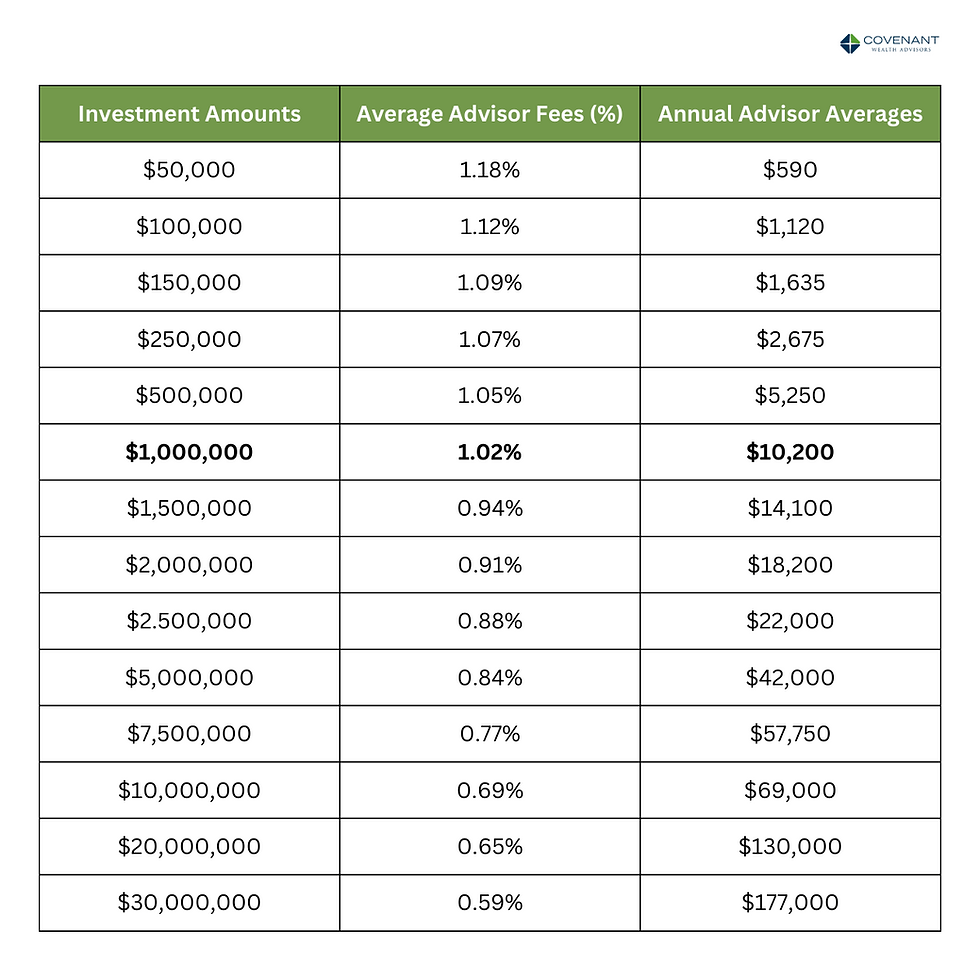 When it comes to wealth management advisory firm fees, several key factors can influence the amount that investors are charged. These factors play a significant role in determining the fee structure and can vary based on individual circumstances.
Complexity of a Client's Financial Situation
The complexity of a client's financial situation is a major factor that can impact the fees charged by wealth management advisory firms. Clients with more intricate financial needs, such as multiple income sources, various investments, and estate planning requirements, may require more time and resources from the firm. As a result, these clients are likely to be charged higher fees to account for the additional work and expertise needed to manage their wealth effectively.Level of Service Provided by the Firm
The level of service provided by the wealth management advisory firm can also influence the fee structure. Firms that offer a wide range of services, such as financial planning, investment management, tax planning, and estate planning, may charge higher fees to cover the costs of providing comprehensive support to clients. On the other hand, firms that offer more limited services may have lower fee structures to reflect the reduced scope of assistance provided.Transparency in Fee Disclosures
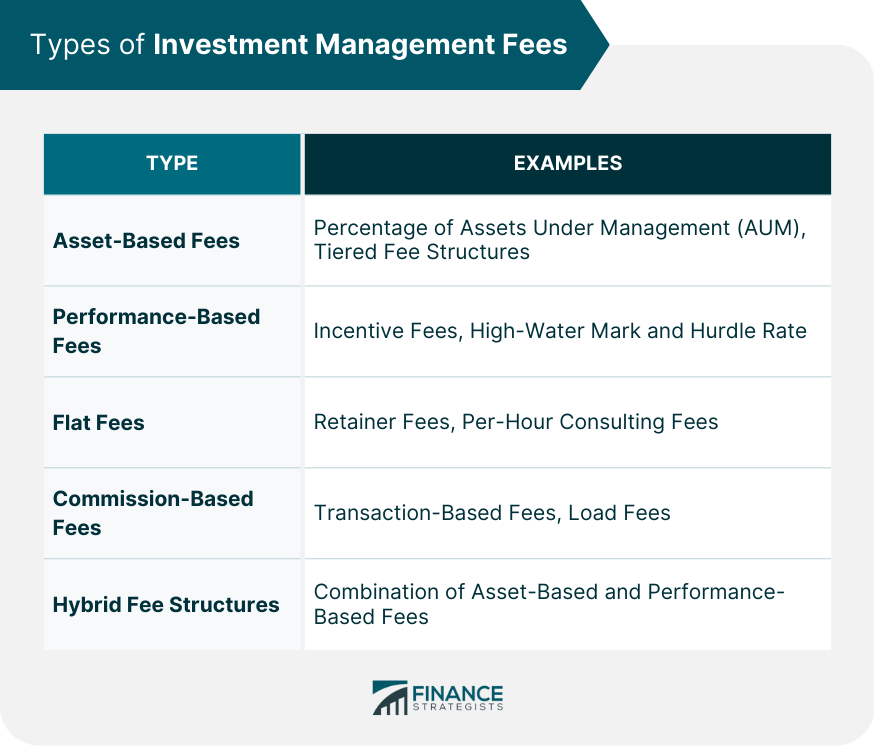 Transparency in fee disclosures is crucial in the wealth management industry as it helps investors make informed decisions about their financial advisors and the services they provide. When wealth management advisory firms are transparent about their fee structures, investors can better understand the costs associated with their investments and the value they are receiving in return.
Regulatory Requirements for Fee Disclosures
- SEC Rule 204-2: Requires registered investment advisors to provide clients with a written disclosure document known as Form ADV Part 2, outlining the firm's services, fees, and conflicts of interest.
- FINRA Rule 2111: Mandates that broker-dealers must disclose all fees and charges associated with investment products to clients before executing a transaction.
- DOL Fiduciary Rule: Imposed a fiduciary duty on financial advisors providing retirement investment advice, requiring them to disclose all fees and conflicts of interest to clients.
Best Practices for Transparent Fee Structures
- Provide a clear breakdown of all fees charged, including management fees, performance fees, and any additional expenses.
- Disclose any potential conflicts of interest that may impact the advisor's recommendations or compensation.
- Regularly update clients on their investment performance and fees paid through detailed reports and statements.
- Educate clients on the impact of fees on their overall investment returns and discuss strategies to minimize costs while maximizing returns.
Evaluating the Value of Wealth Management Advisory Firm Fees
When it comes to evaluating the value of wealth management advisory firm fees, investors need to consider whether the fees charged align with the services provided. This assessment is crucial in determining the cost-benefit ratio of engaging a wealth management firm to oversee one's financial assets.
Role of Fee Benchmarking
Fee benchmarking plays a significant role in evaluating the value of wealth management services. By comparing the fees charged by a particular firm with industry standards or with other firms offering similar services, investors can gauge the competitiveness of the fees and the quality of services provided.
Fee benchmarking helps investors ensure they are getting value for money and not overpaying for wealth management services.
Assessing Value Proposition
Investors can assess the value proposition of wealth management advisory firm fees by looking at the range of services offered in relation to the fees charged. A firm that provides personalized financial planning, investment management, tax planning, and estate planning services may justify higher fees compared to a firm offering limited services.
Client Satisfaction and Performance
Another way to evaluate the value of wealth management advisory firm fees is to consider client satisfaction and performance metrics. By assessing the firm's track record in delivering positive investment returns, managing risk, and meeting client objectives, investors can better judge whether the fees are justified.
Fee Negotiation Strategies for Investors
When it comes to negotiating fees with wealth management advisory firms, investors have several strategies at their disposal to ensure they are getting the best value for their money. It is essential for investors to understand fee structures and be prepared to engage in fee negotiations to optimize their investment returns.
Importance of Fee Negotiation
- Research and Compare: Before entering into fee negotiations, investors should research and compare fee structures of different wealth management firms to have a clear understanding of what is standard in the industry.
- Know Your Worth: Investors should be aware of the value they bring to the table and the level of service they expect from their wealth management firm. This knowledge can empower them during fee negotiations.
- Be Willing to Walk Away: Sometimes, the best negotiation strategy is being prepared to walk away if the terms are not favorable. This can put pressure on the firm to offer better fee arrangements.
Successful Fee Negotiation Scenarios
- Case Study: Investor A was able to negotiate a lower fee with their wealth management firm by demonstrating their long-term commitment to the firm and the potential for future investments.
- Example: Investor B leveraged competitive offers from other wealth management firms to negotiate a reduced fee structure with their current firm, highlighting the importance of market research in fee negotiations.
Last Point
Wrapping up our discussion on Wealth Management Advisory Firm Fees: A Comparative Guide for Investors, this conclusion will summarize the key points and leave readers with valuable insights.
FAQ Compilation
What are wealth management advisory firm fees?
Wealth management advisory firm fees are charges imposed by firms for managing an investor's assets and providing financial advice.
How can investors evaluate the value of these fees?
Investors can assess the value of fees by comparing them to the services received, benchmarking against industry standards, and understanding the impact on their financial goals.
Are fee negotiations with wealth management firms common?
Yes, investors can negotiate fees with wealth management firms, especially if they have a significant portfolio or unique financial needs.
What are the regulatory requirements for fee disclosures in the wealth management industry?
Regulatory requirements mandate that wealth management firms provide transparent fee disclosures to clients, including details on all charges and potential conflicts of interest.